
The Inheritance Wars
Wuthering HeightsFollows the legal and material contests over the Earnshaw and Linton estates that determine the fate of every major character.
increasing Bearing strength in each event
 decreasing
Bearing strength in each eventdecreasingThe Crushed Violin
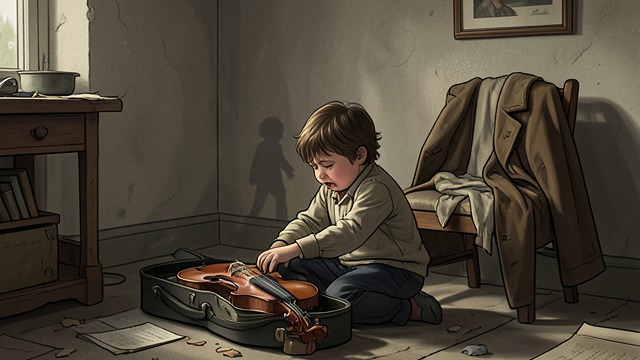
A Present Destroyed
Omens of Dispossession
The fiddle Hindley Earnshaw had asked his father to bring from Liverpool is found crushed in the great-coat that also sheltered the foundling. Hindley blubbers over the wreck, while the stranger's arrival costs Catherine her whip as well.
The Heir's First Loss
The incident prefigures Hindley's lifelong sense of displacement: he loses his promised inheritance of affection to the interloper, and his indignation hardens into an enmity that shapes the entire plot. The child who cries over a broken fiddle will spend his adulthood trying to recover what was never truly taken from him by force.
The Church and the Parish
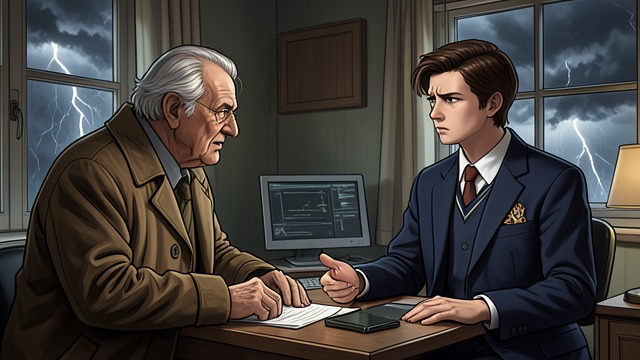
A Father's Judgement
Nought, and Never Thrive
Old Mr. Earnshaw, persuaded that Hindley is nought and will never thrive, sends him to college, a reluctant blessing that deepens the son's sense of rejection. The father's preference for Heathcliff becomes the root of Hindley's bitterness.
A Fragile Claim
When Hindley returns with Frances, he inherits the Heights but is already warped by years of resentment. His first acts as master are to degrade Heathcliff and neglect the family's spiritual duties, spending the capital of his legitimacy as recklessly as he will later spend his money.
Edgar's Heirless Grief
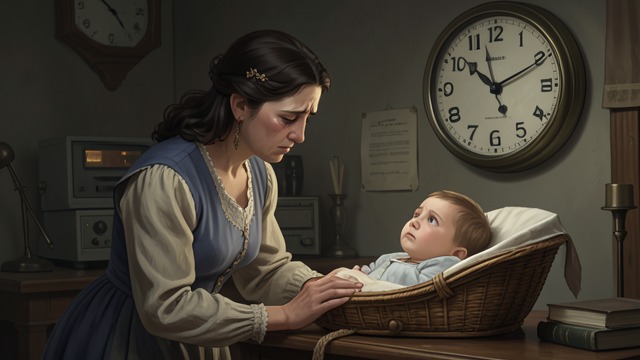
An Unwelcome Infant
A Daughter Without a Future
Edgar Linton is left with a puny seven-month girl and no son, a blow only sharpened by the knowledge that his father-in-law's property has been willed away from the Earnshaw line. Nelly bemoans the lack of an heir as she gazes at the feeble orphan.
A House Held by a Thread
The failure to produce a male heir leaves Thrushcross Grange vulnerable to any claimant. Edgar's quiet love for the child cannot protect her from the legal machinery that Heathcliff will later turn against her.
The Mortgagees' Web
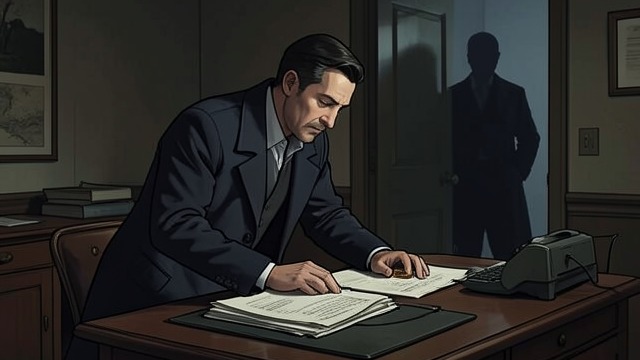
Debt as a Weapon
The Land Signs Away
Hindley, in his drunken dissipation, borrows heavily against every yard of the Heights, with Heathcliff as the principal creditor. By the time Hindley dies, the estate is mortgaged beyond redemption, and Hareton is left with nothing but his name.
A Legal Stranglehold
The attorney informs Nelly that the whole property is in Heathcliff's hands and that the natural heir's only hope is to interest the creditor in his survival. The transfer of Wuthering Heights is thereby accomplished not by conquest but by arithmetic.
The Lawyer's Sellout
A Traitor to the Will
Delays That Kill
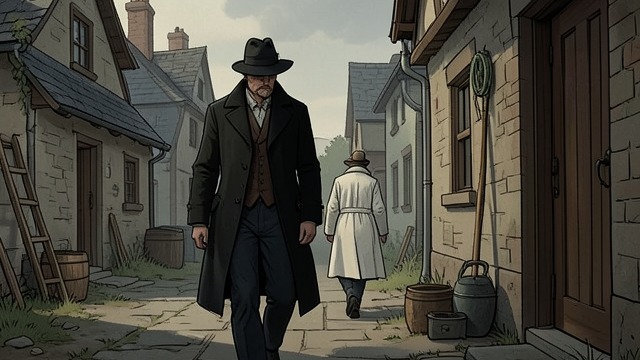
Edgar, sensing his end, sends for his attorney, Mr. Green, to adjust the will and secure Cathy's fortune in trust. Green dallies in the village until the master is dead, having already sold his services to Heathcliff, who alone profits from the delay.
The Death of Legality
With Edgar gone, Green takes charge in a manner that serves the usurper, and Heathcliff becomes possessed of rights over his daughter-in-law that the law ought to have prevented. The episode shows how thoroughly the machinery of inheritance is corrupted when the guardians of it are bought.
The Restoration
The Lands Returned
A New Year's Day Marriage
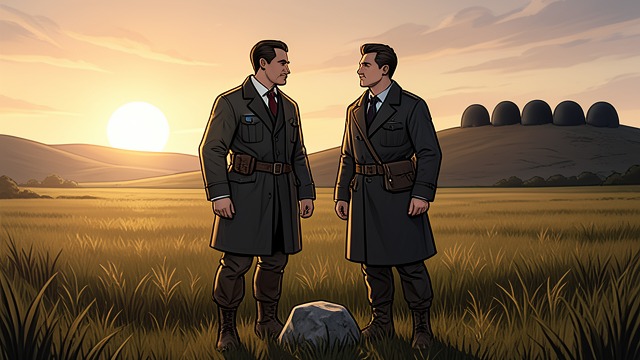
With Heathcliff dead, the tangled properties pass into the hands of Catherine Linton (younger) and Hareton Earnshaw, whose marriage on New Year's Day joins the two estates under one restored line. Nelly plans to move with them to Thrushcross Grange, leaving Wuthering Heights to Joseph and the ghosts.
The Healed Succession
The novel closes with the headstones of Catherine, Edgar, and Heathcliff lying side by side on the green slope, while the living pair inherits a future that neither the Earnshaw nor Linton feud can poison.
the day Mr. Earnshaw brings Heathcliff home from Liverpool
the years of Hindley's majority, before his marriage to Frances
the night Catherine Linton (younger) is born and Catherine Earnshaw dies
the last years of Hindley Earnshaw's life
during Edgar Linton's final illness, September 1801
after Heathcliff's death, autumn 1802
